Inside Harvey Weinstein’s Incarceration: What Really Happens Behind High-Profile Protective Custody

 Convict Files
High-profile custody requires strict segregation protocols to prevent inmate violence and maintain chain-of-custody security.
Managing an inmate like Harvey Weinstein inside the United States penal system is an operational nightmare that strips away every trace of Hollywood myth. When a disgraced entertainment mogul trades designer suits for department-issued jumpsuits, correctional supervisors immediately shift into a specialized defensive posture designed to prevent extortion, violence, and institutional liability. Behind the razor wire, high-visibility status does not secure executive privileges; it triggers total isolation, heavy surveillance, and the grueling friction of administrative segregation.
Every facility holding high-notoriety sex offenders operates under rigid classification protocols governed by state departments of corrections and local jail authorities. From intake processing at facilities like Rikers Island to long-term state correctional institutions, the primary directive is keeping the inmate alive and physically intact. That mandate requires continuous logistical planning, constant medical oversight, and an absolute barrier between the inmate and general population tiers.
The Mechanics of Administrative Segregation and Inmate Management
In standard prison operations, housing a public figure convicted of predatory sexual offenses in general population invites immediate violence. Inmate hierarchies enforce strict internal codes, and attacking a globally recognized offender offers instant status to institutional gangs. Consequently, facility classification boards place inmates under Protective Custody (PC) or Administrative Segregation (Ad-Seg), removing them from standard chow halls, recreation yards, and unmonitored common corridors.
In maximum security management, the quietest unit is usually the one under the tightest internal discipline.
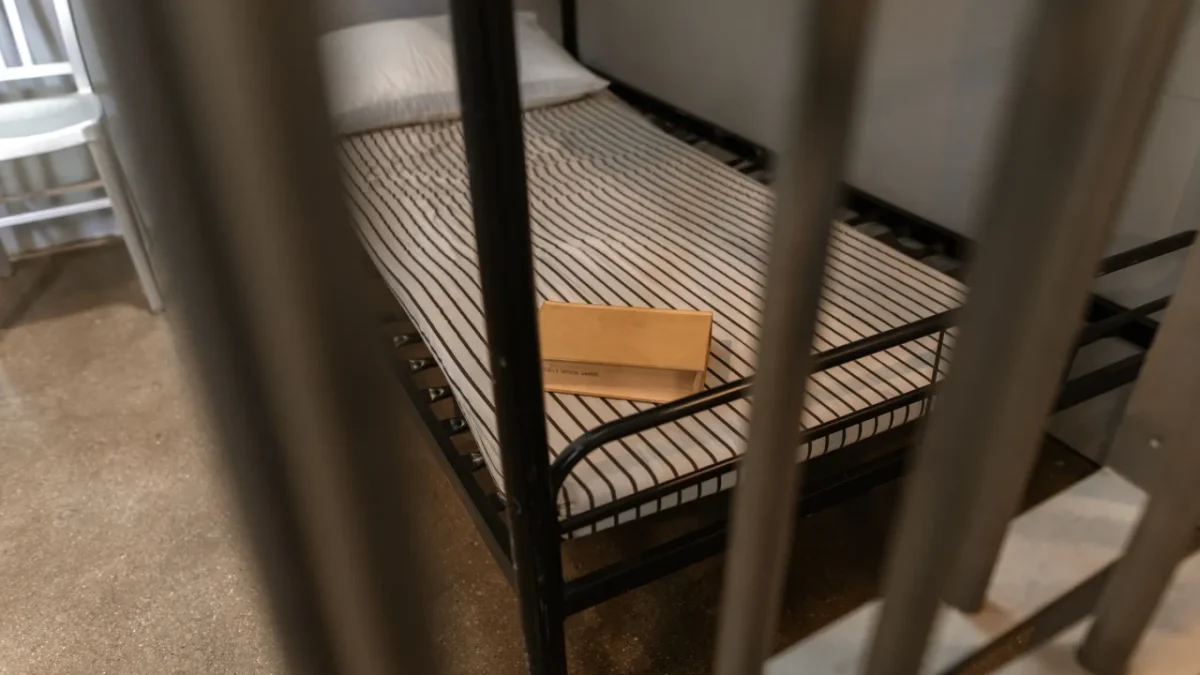
Protective housing transforms an inmate’s daily existence into a sequence of locked transitions. Inmate movements outside the designated housing cell require escort protocols involving at least two correctional officers. Meals arrive on plastic trays pushed through a locked food hatch, and single-occupancy rec cages replace open exercise yards. For aging, physically compromised inmates, medical isolation units frequently double as secure housing to manage chronic health complications without exposing the prisoner to wider inmate traffic.
The Medical Clearance and Intake Screening Barrier
Intake screening establishes the baseline classification score that dictates where an inmate spends their term. Correctional health intake officers document cardiac issues, mobility impairments, diabetes management, and prescription dependencies before an inmate ever sees a standard tier. In high-visibility cases, every medical transfer—whether to a community trauma ward, a prison infirmary, or an exterior clinic—demands specialized coordination between county transport deputies, facility commanders, and local hospital security staff.
Securing external medical treatment introduces significant vulnerability into custody operations. Officers must establish clear chain-of-custody records, secure private treatment corridors, and implement twenty-four-hour bed watch rotations. A breach or medical emergency while off prison grounds brings immediate administrative inquiry and intense public scrutiny.
Legal Friction and the Appellate Circuit
The institutional handling of Harvey Weinstein has remained tightly bound to complex appellate developments across multiple jurisdictions. Legal defense teams and state prosecutors have fought extensive courtroom battles over trial procedures, evidentiary thresholds, and the admissibility of uncharged prior bad acts testimony.
- Evidentiary Challenges: Defense motions consistently target the use of “prior bad acts” witnesses, arguing that excessive background testimony compromises the fairness of targeted indictments.
- Jurisdictional Splits: Parallel proceedings between the New York Department of Corrections and Community Supervision (DOCCS) network and California state corrections create split jurisdictional priorities for custody transfers.
- Appellate Mandates: State appellate rulings can abruptly void convictions or order complete retrials, requiring jail systems to shift housing protocols from post-conviction state prisons back to municipal pre-trial holding wards.
- Health Status Filings: Ongoing legal submissions frequently cite declining physical condition, cardiovascular treatment, and mobility limits to request expedited hearings or specialized medical facilities.
When appellate courts order retrials or vacate specific trial counts, the correctional system must reclassify the prisoner from a sentenced felon to a pre-trial detainee. That administrative shift alters visiting access, commissary privileges, and legal consultation rules, yet the physical security posture remains completely locked down.
Institutional Housing vs. Public Perception
Public discourse frequently assumes wealthy defendants negotiate softened prison conditions or enjoy luxury annexes unavailable to common convicts. Correctional realities dismantle this assumption entirely. Institutional isolation strips away privacy, autonomy, and independence far more severely than the relatively communal routines of lower-tier work camps.
| Public Misconception | Correctional Reality |
|---|---|
| Celebrity status buys special housing privileges and personal amenities inside prison. | High-visibility sex offenders face severe administrative isolation, locked-cell feeding, and escorted transit. |
| Medical furloughs provide comfortable alternatives to actual detention quarters. | Inpatient medical stays involve round-the-clock armed guard shifts, secure restraint belts, and stripped hospital rooms. |
| Appellate reversals instantly guarantee standard release procedures. | Outstanding multi-state sentences or pending retrial warrants ensure continuous secure custody during litigation. |
| Inmates in protective custody retain control over their legal consultation environments. | All visits occur under direct institutional observation, behind reinforced barriers, or within controlled attorney booths. |
The operational burden of managing high-profile prisoners drains facility staffing and complicates daily routines for the entire correctional team. Officers assigned to segregated tiers must document fifteen-minute observation checks, log every visitor interaction, and conduct meticulous searches of incoming defense materials. A single procedural error can generate legal challenges that tie officers up in administrative depositions for years.
Litigation involving Harvey Weinstein continues to shape judicial precedent regarding procedural fairness and the limits of witness testimony in complex sexual misconduct prosecutions. Court watchers and legal analysts regularly examine current docket filings through state court systems to monitor pending retrial schedules, jurisdictional custody transfers, and physical competency evaluations.
🔒 True justice demands that correctional institutions enforce equal discipline and unwavering security regardless of an inmate’s former wealth or global standing.
⚖️ For the victims who came forward to challenge systemic abuse, the true measure of accountability lies not in prison drama, but in durable legal precedent that survives every appellate challenge.
📁 Institutional custody strips away the illusion of influence, leaving behind only the concrete reality of a numbered file and a locked steel gate.
What is your take on the security protocols governing high-profile inmates? Share your perspective in the comments below.